Jaw pain, clicking, headaches, and difficulty chewing are not things you should have to accept as a normal part of daily life.
Temporomandibular joint disorder, commonly referred to as TMJ or TMD, is a condition that affects the joints and muscles responsible for jaw movement and can cause significant discomfort and disruption to your everyday routine. At Mill Pond Dental in Mokena, IL, we provide evidence-based TMJ/TMD treatment tailored to your specific situation, helping you find the relief you deserve and restore comfortable jaw function.
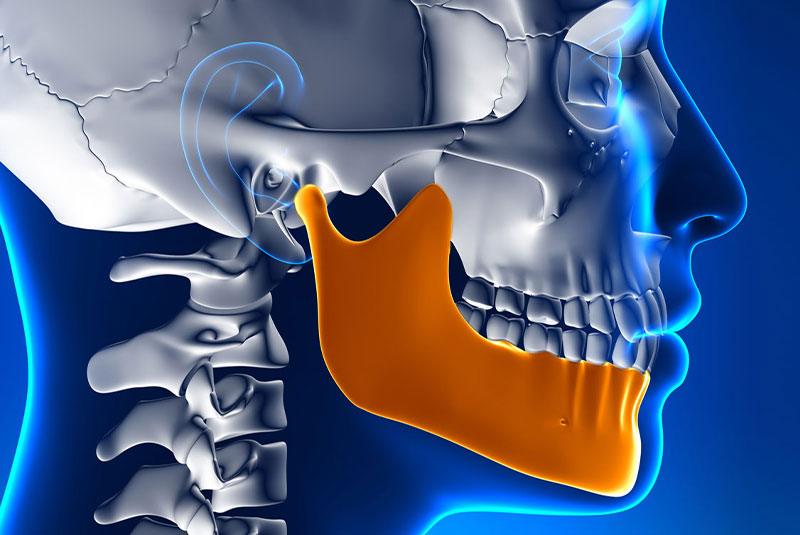
Your temporomandibular joints are located on each side of your head, connecting your lower jaw to your skull.
These complex joints work together with surrounding muscles and ligaments to allow you to open and close your mouth, chew, and speak. When these joints or the muscles surrounding them are strained, inflamed, or misaligned, a range of uncomfortable symptoms can follow.
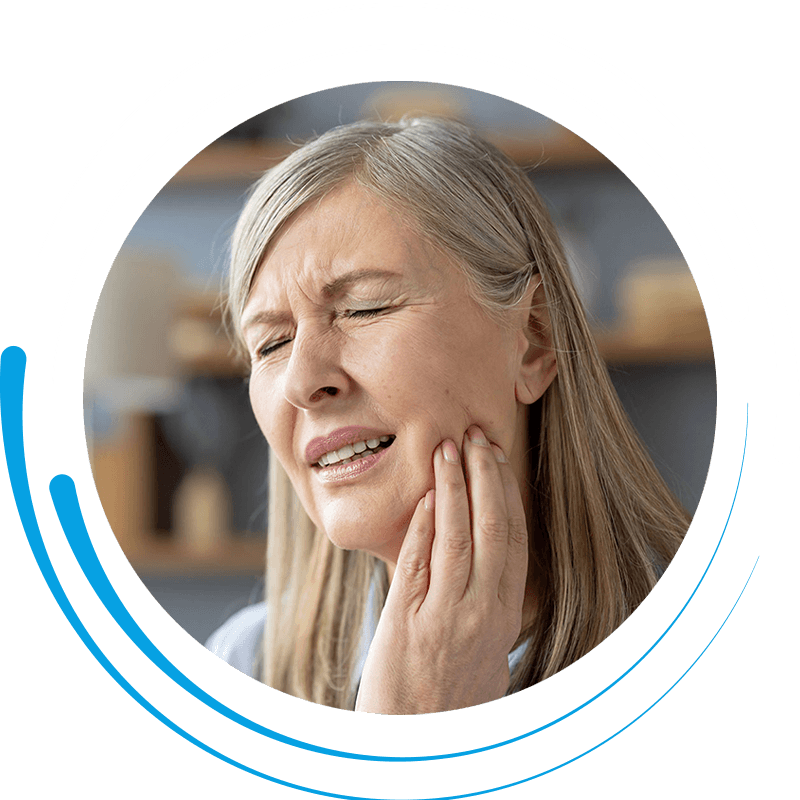
TMD can present differently from one patient to the next. Common signs that you may benefit from a TMJ evaluation include:
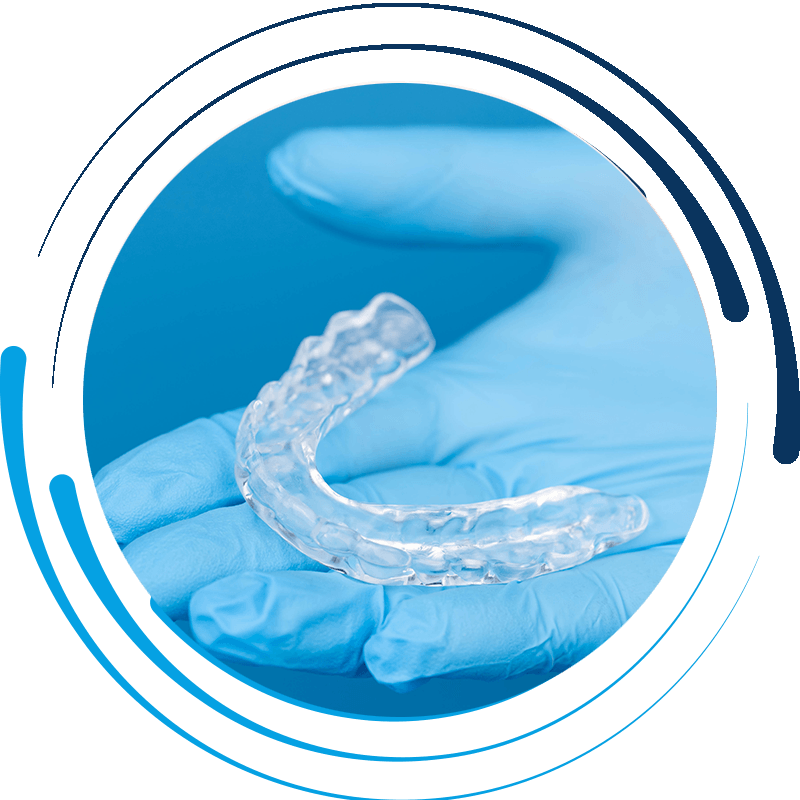
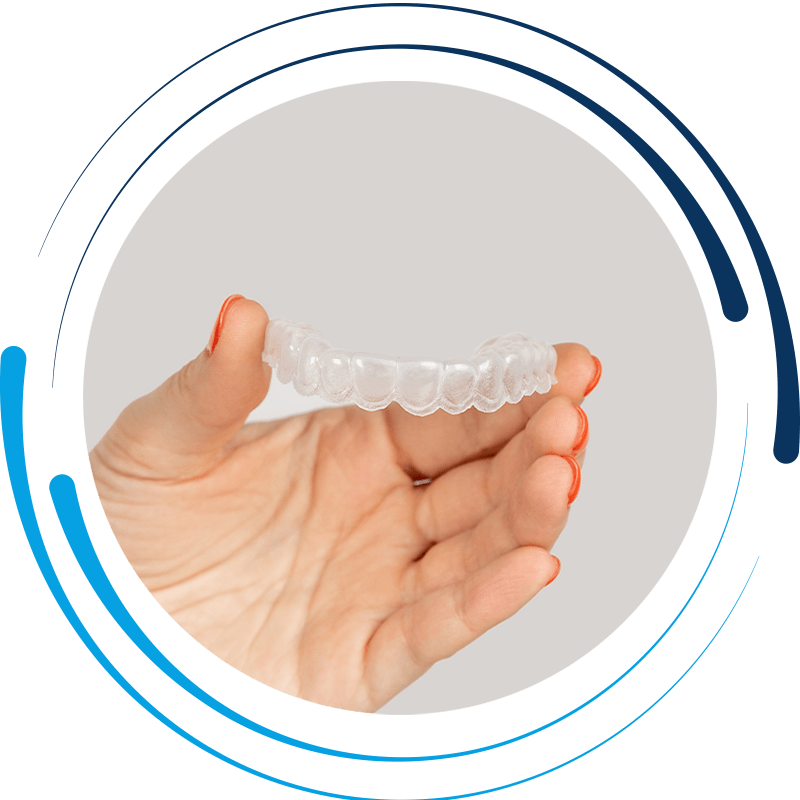
A custom-fitted oral appliance is often the first-line treatment for TMD, particularly for patients whose symptoms are driven by nighttime clenching and grinding.
These precisely crafted devices reduce the forces placed on your jaw joints and muscles during sleep, protecting your teeth from wear and allowing your joints to recover. Unlike over-the-counter alternatives, custom appliances are designed specifically for your bite and fit comfortably over your teeth.
BOTOX injections into the masseter and temporalis muscles are a highly effective option for patients experiencing severe muscle tension, clenching, or grinding.
By temporarily relaxing the overactive muscles responsible for jaw strain, BOTOX can relieve pain, reduce grinding intensity, and alleviate headaches and facial soreness that often accompany TMD. Results typically last three to four months and can be combined with other treatments for comprehensive relief.
When bite misalignment contributes to TMD, orthodontic treatment can help address the root cause by repositioning the teeth and correcting the way the upper and lower jaws meet. A more balanced bite reduces uneven pressure on the jaw joints and allows surrounding muscles to function more naturally, often resulting in significant symptom improvement.
Left untreated, TMJ disorder tends to worsen over time. Chronic clenching and grinding can cause permanent damage to the joint structure, accelerated tooth wear, and increasing pain that makes everyday activities like eating and speaking more difficult.
In severe cases, untreated TMD may eventually require more invasive intervention. Seeking treatment early is one of the most effective ways to protect your oral health and prevent future complications.
While a professional evaluation is the only way to confirm a TMD diagnosis, you can perform a few informal checks at home to see if your symptoms may be related to this condition.
Try placing three stacked fingers vertically into your open mouth. Difficulty or pain may suggest limited jaw mobility. Next, place a fingertip just in front of your ear and slowly open your mouth. Clicking, popping, or pain may indicate joint irregularities.
Finally, look in a mirror as you slowly open your jaw. A jaw that shifts, deviates, or moves in a zigzag pattern could point to TMJ issues worth discussing with our team.